
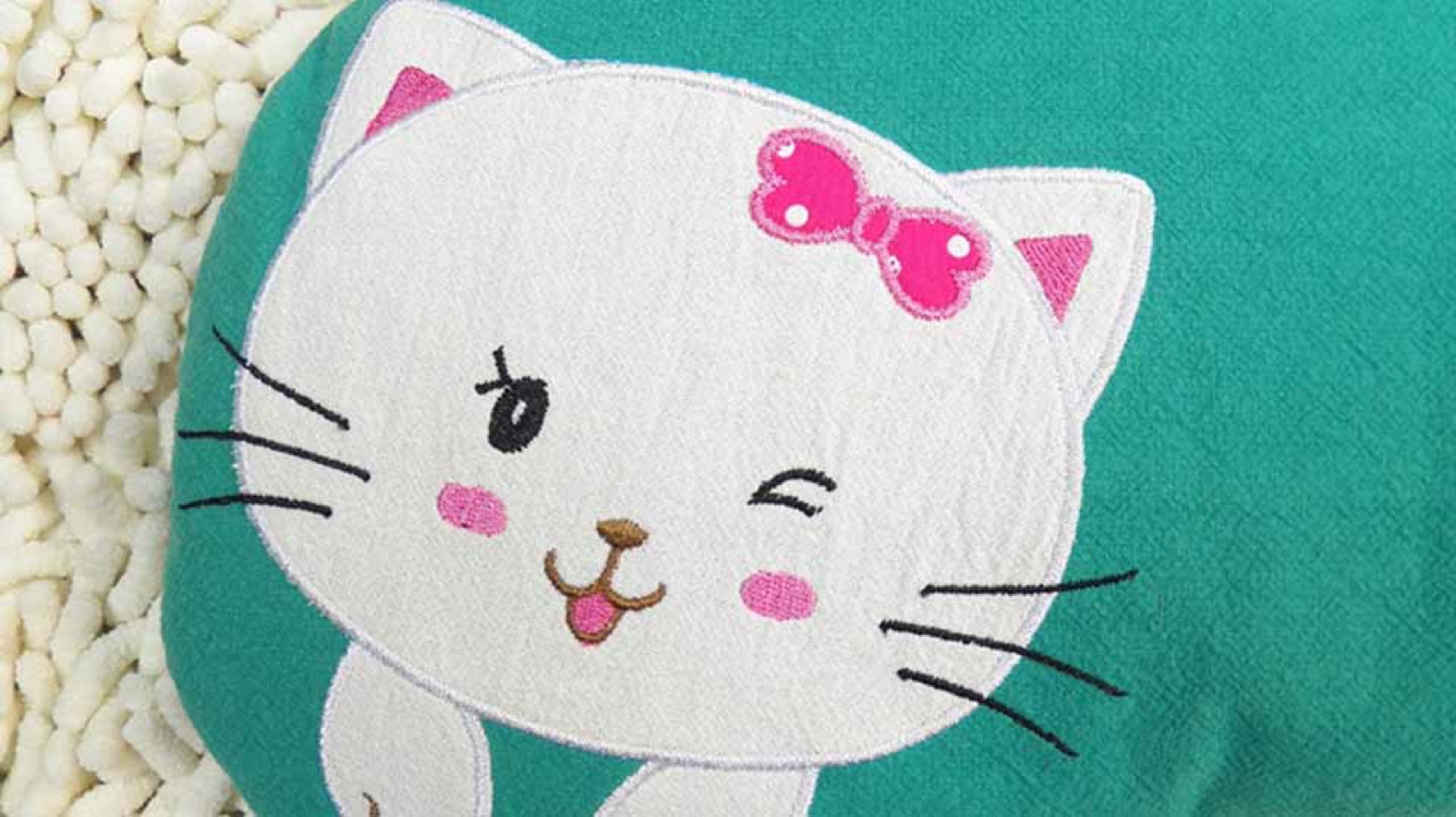
 01
01 / Raised panel
Applique embroidery
Cut the applique cloth to shape, place it on the garment and fill cotton between the two layers so the motif sits proud of the surface.
Embroidery is a needle-led craft: thread is drawn through the fabric to the design and woven into pattern and colour. We keep five embroidery families in house, so the technique follows the garment instead of the other way round.
Craft 04Every family below is quoted with its own thread, backing and finishing plan, so cost and hand-feel stay predictable from sample to bulk.
01Cut the applique cloth to shape, place it on the garment and fill cotton between the two layers so the motif sits proud of the surface.
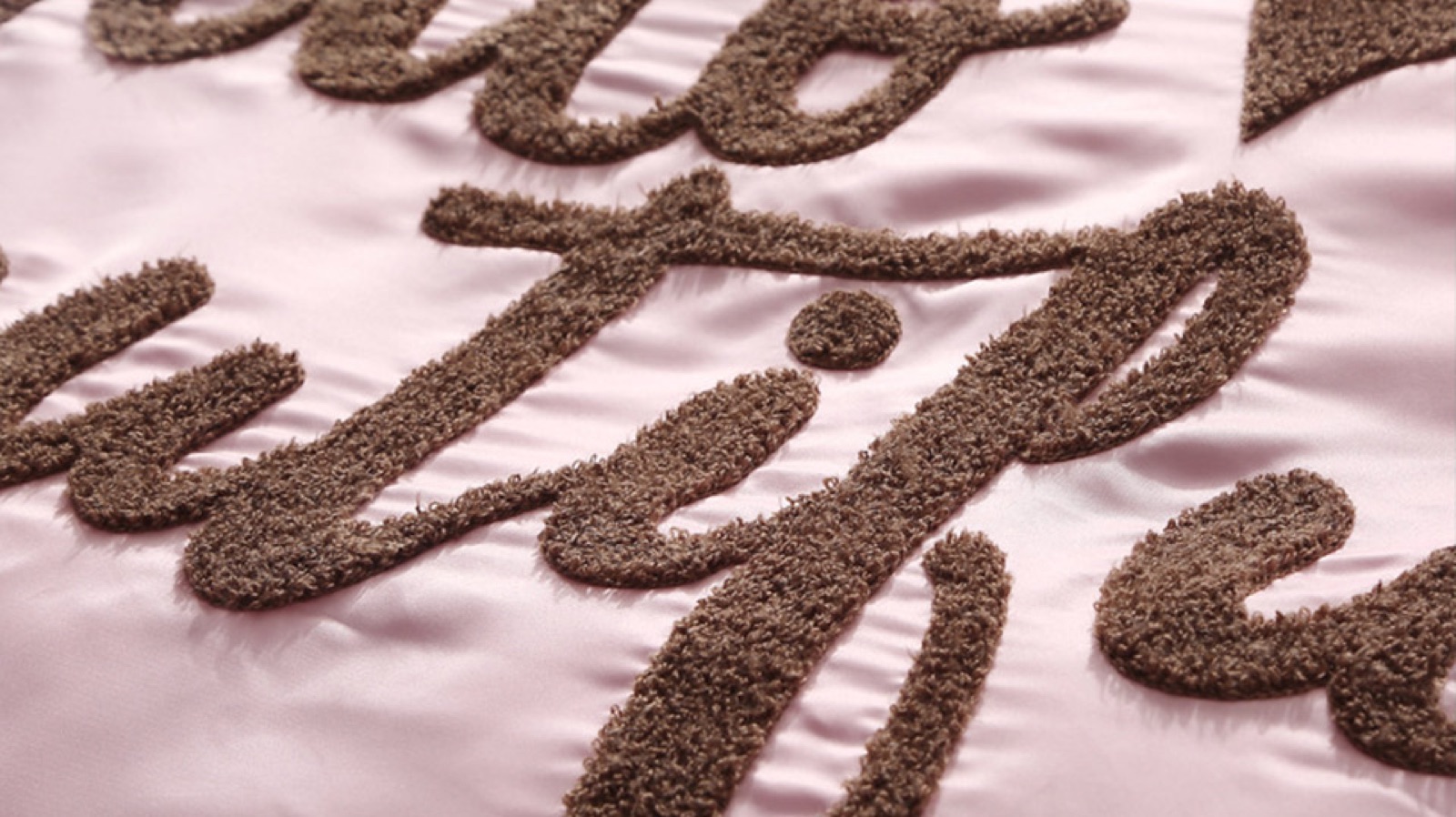 02
A three-dimensional stitch whose finished surface resembles towelling — soft, airy and visibly tactile on robes and blankets.
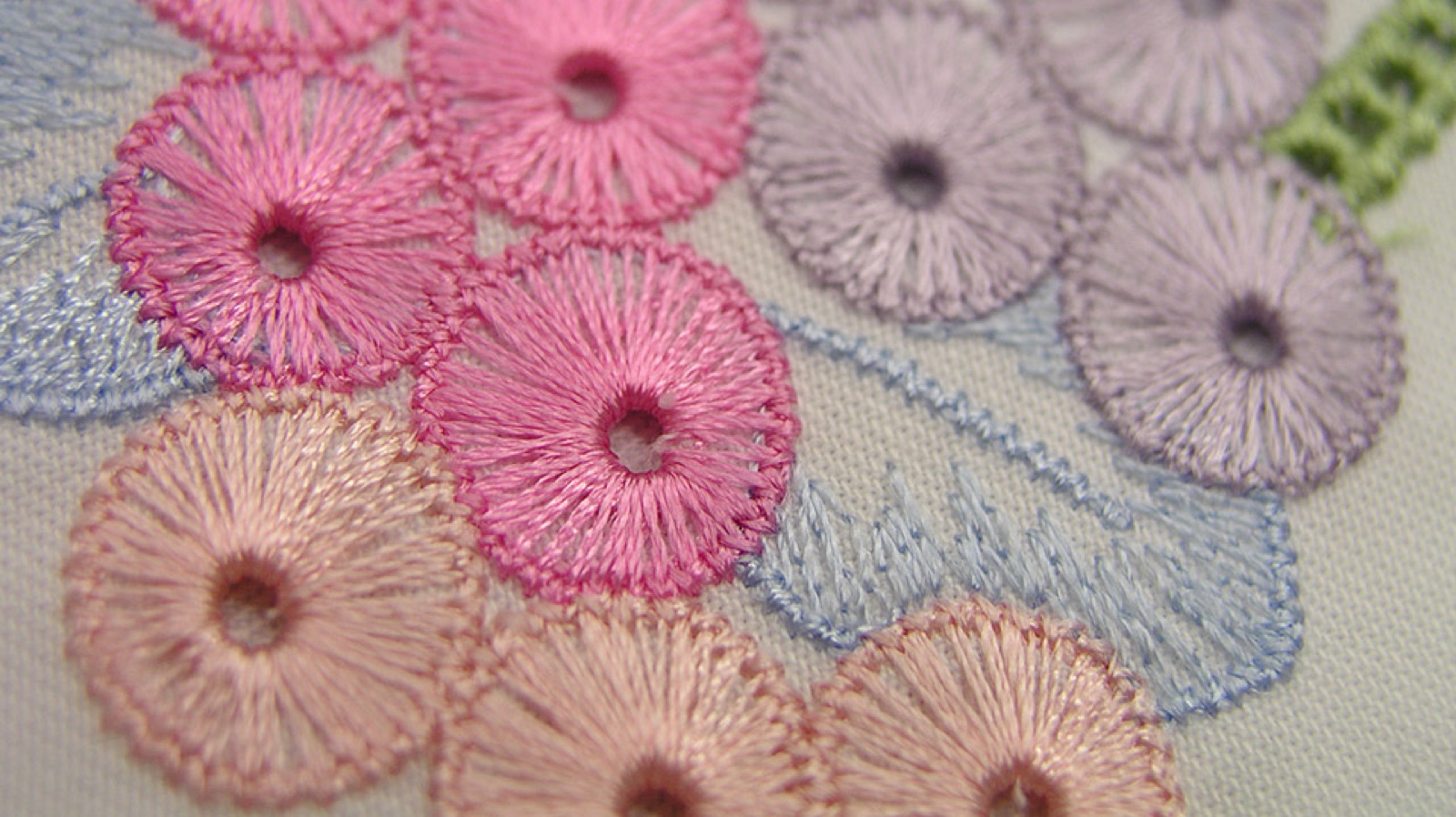 03
Holes are trimmed along the pattern and bridged with thread, building a transparent, layered panel that reads as lace without the weight.
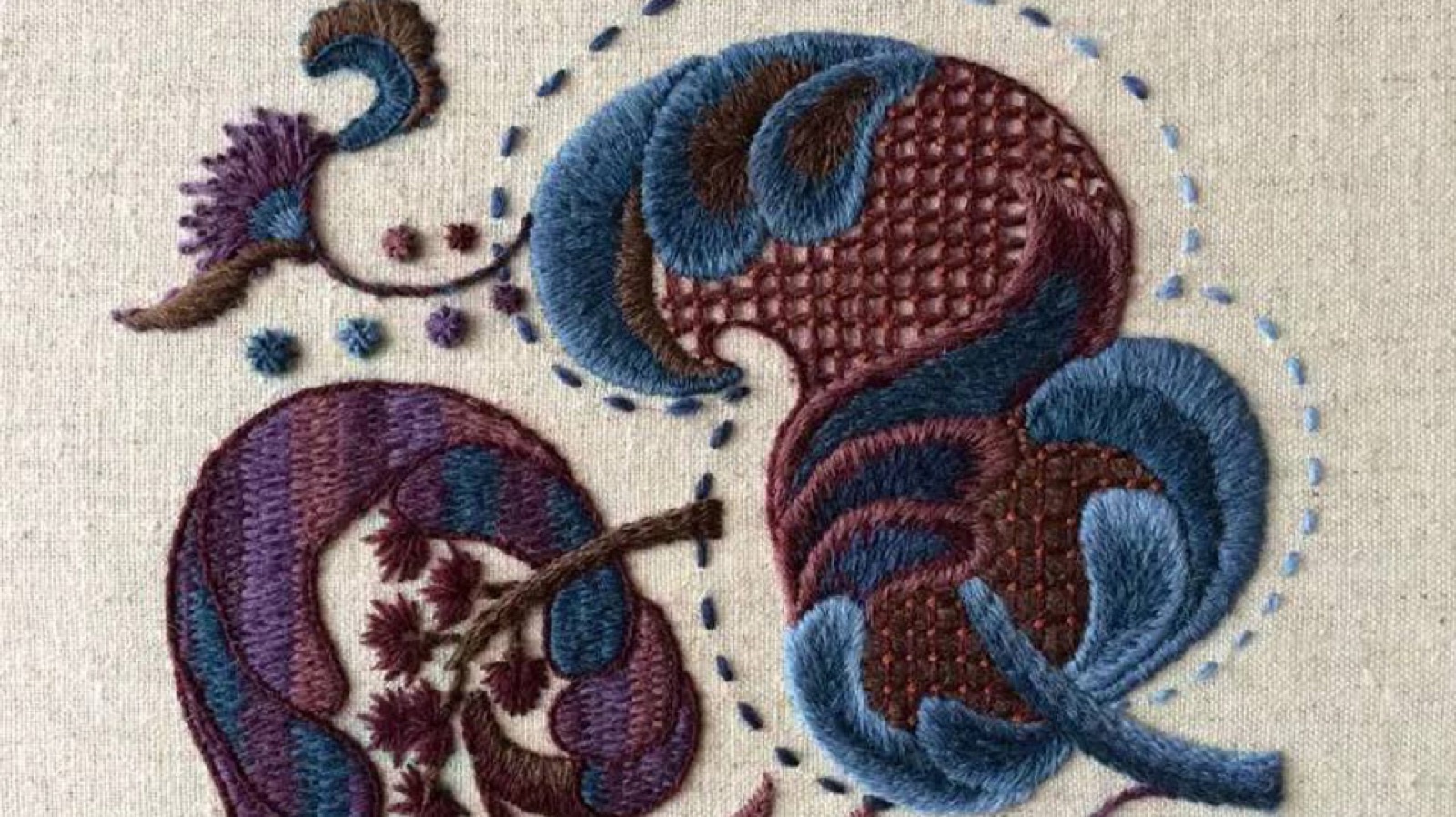 04
Ribbon or cord is laid on the surface and stitched down along the pattern — a simple, long-established method with an elegant, generous line.
 05
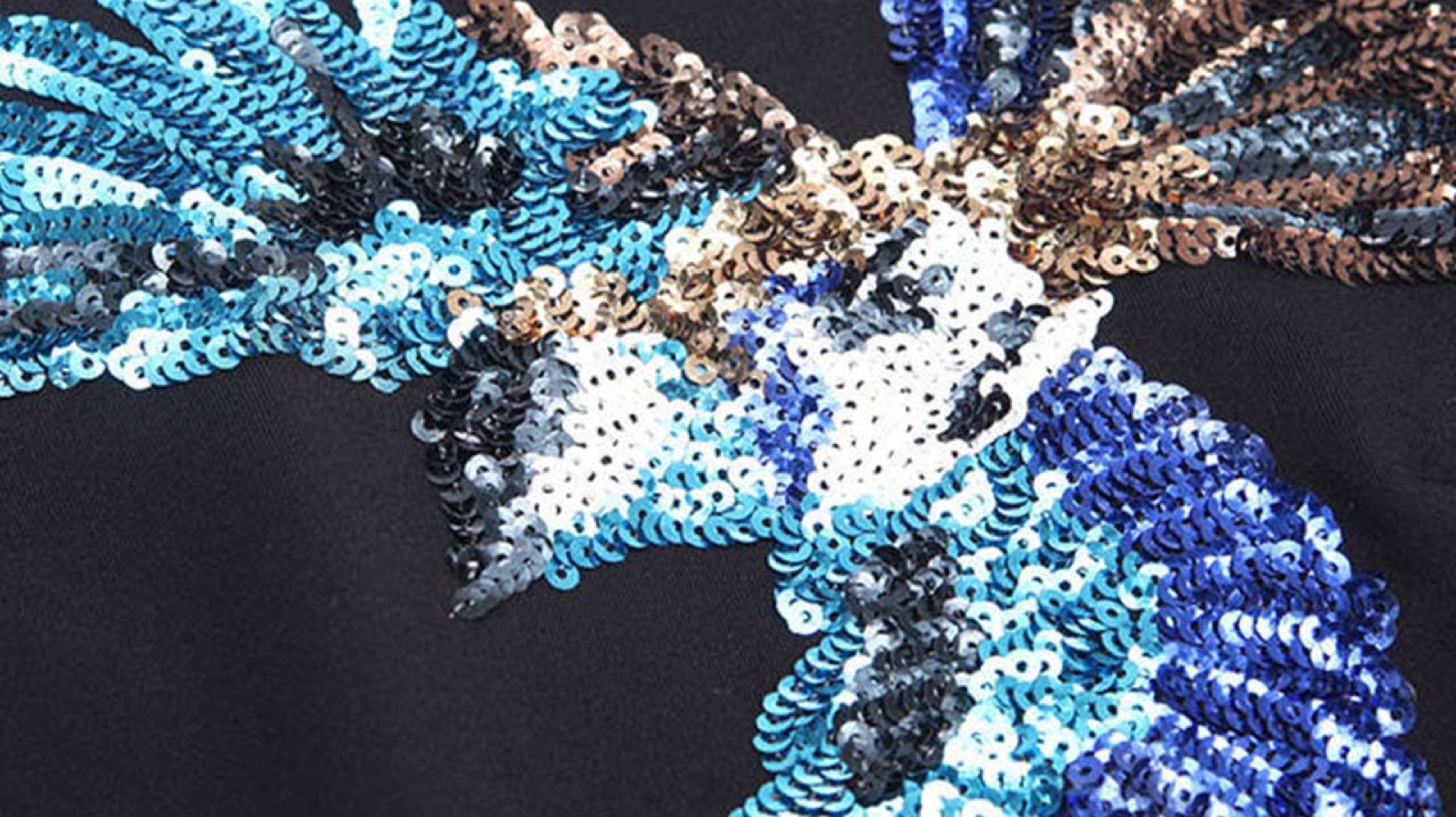
Sequins are applied by machine or by hand for a glittering surface, usually as a high-end accent on holiday and bridal pieces.
We place embroidery where it is felt as much as seen: cuffs, yokes, plackets and pockets — flat where the body rests, raised where the eye lands.
We place embroidery where it is felt as much as seen: cuffs, yokes, plackets and pockets — flat where the body rests, raised where the eye lands.
Ask for a stitch-out on your own fabric before the first sample run — it is the only reliable way to judge coverage and drape.
Share a sketch, a reference photo or a tech pack. We reply with thread options, stitch density, backing and a costed sample timeline.