
 01
01 / Knits
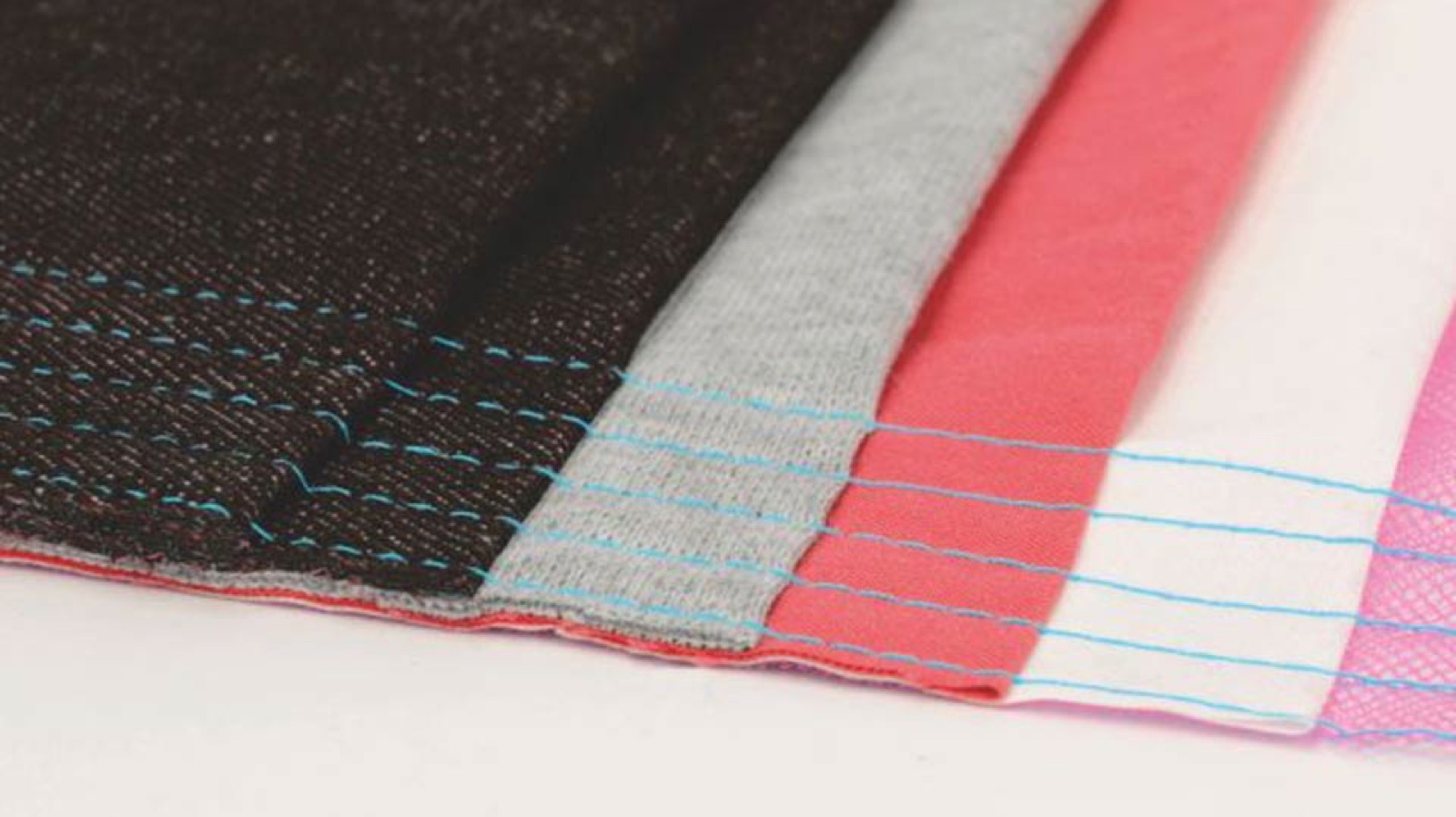
Flat seam
Front sides face each other; an even stitch runs on the back at the specified allowance — the allowance follows fabric weight and stretch.
A seam allowance is not a detail. It is the difference between a nightgown that glides and one that scratches — and between a wash that holds shape and one that does not.
 Craft 05
Each entry is a construction, not a stitch: it fixes the allowance, the fold direction and the topstitch distance, which is what the factory actually repeats.
01Front sides face each other; an even stitch runs on the back at the specified allowance — the allowance follows fabric weight and stretch.
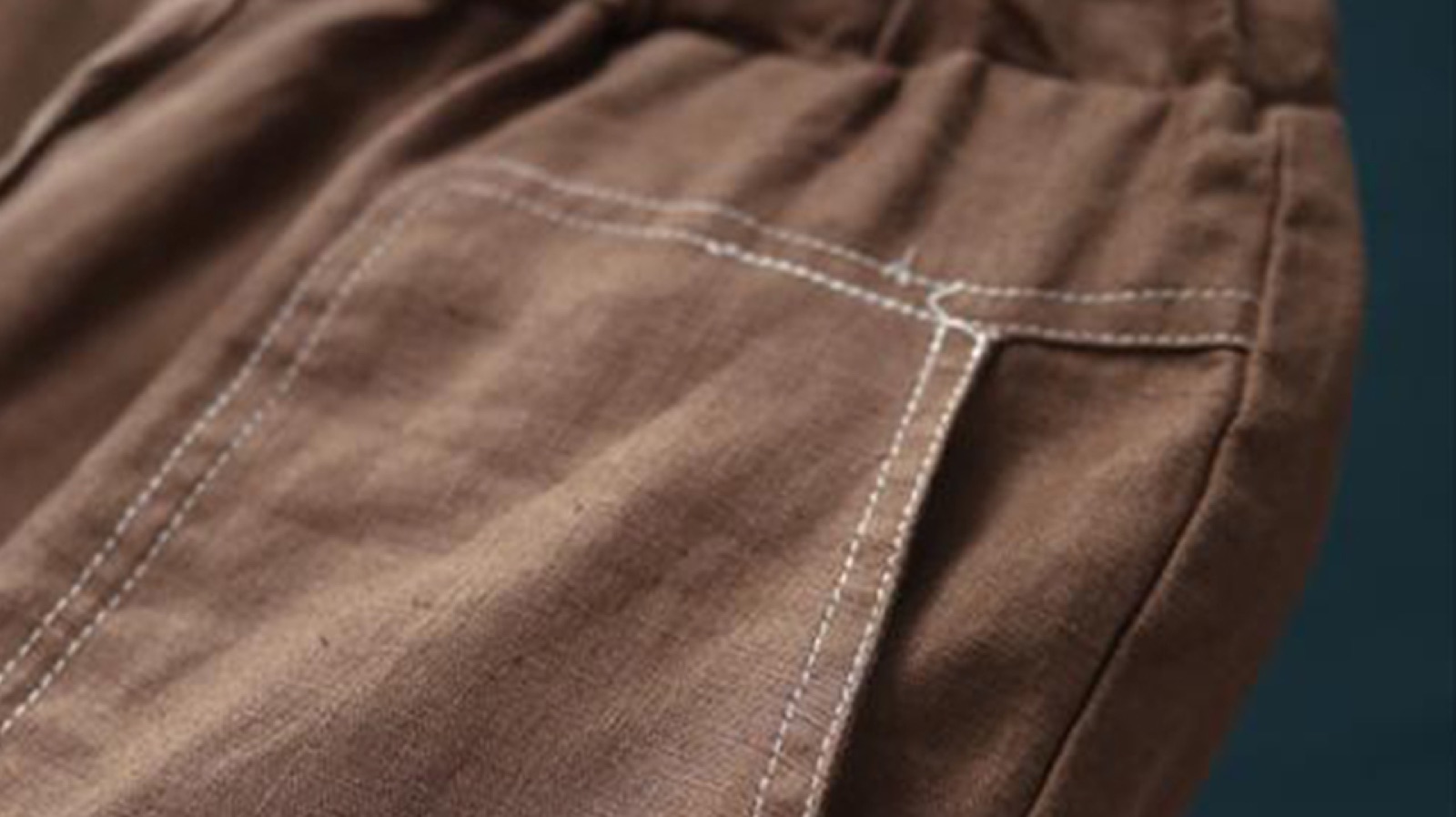
02The raw edge is pressed back by the allowance, then placed and topstitched 0.1 cm from the fold so the line reads crisp from the outside.
 03
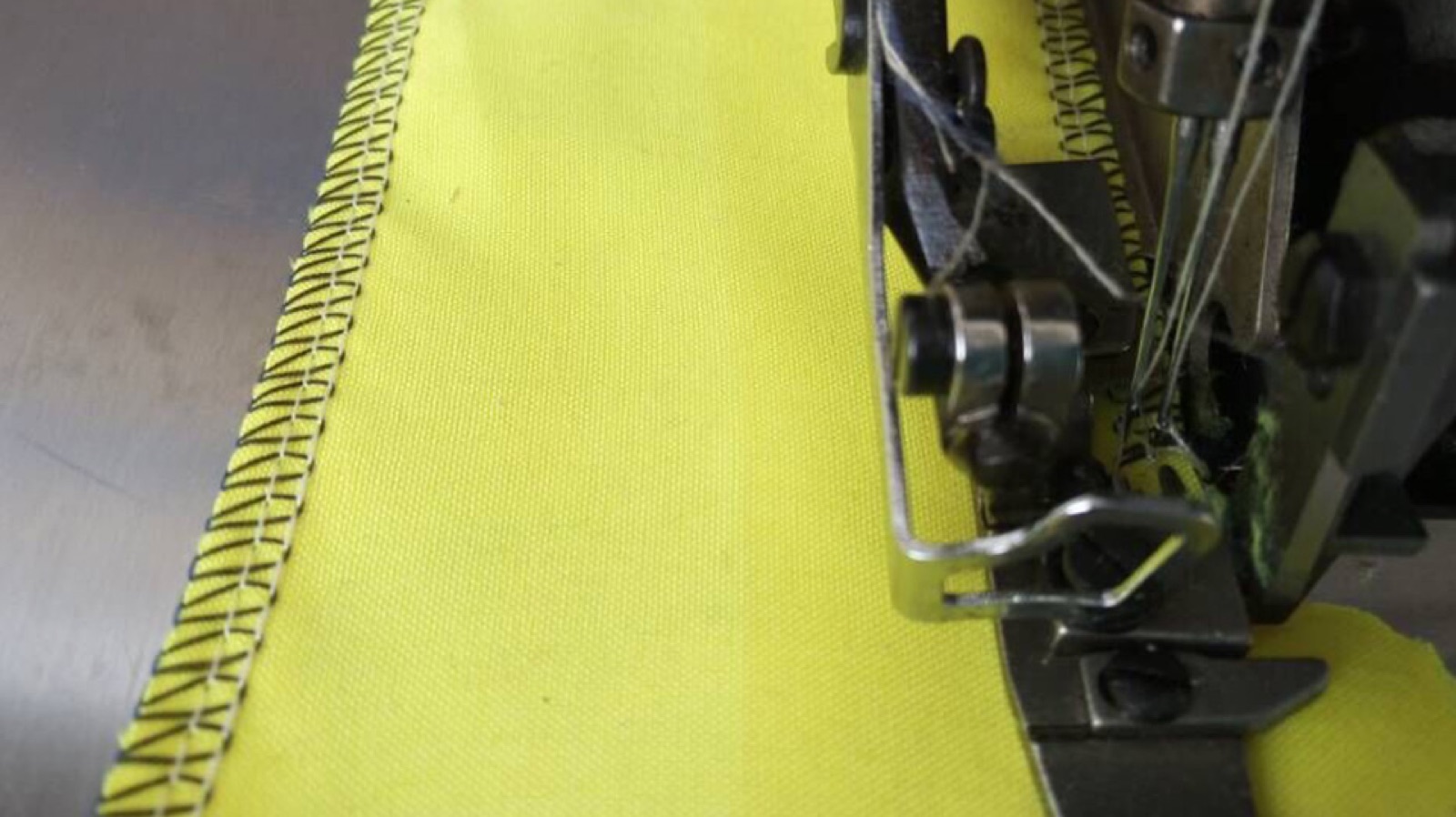
Two parts overlap with the lower layer 0.8 cm proud, turned up, stitched 0.1 cm from the edge and overlocked for a durable inside.
 04
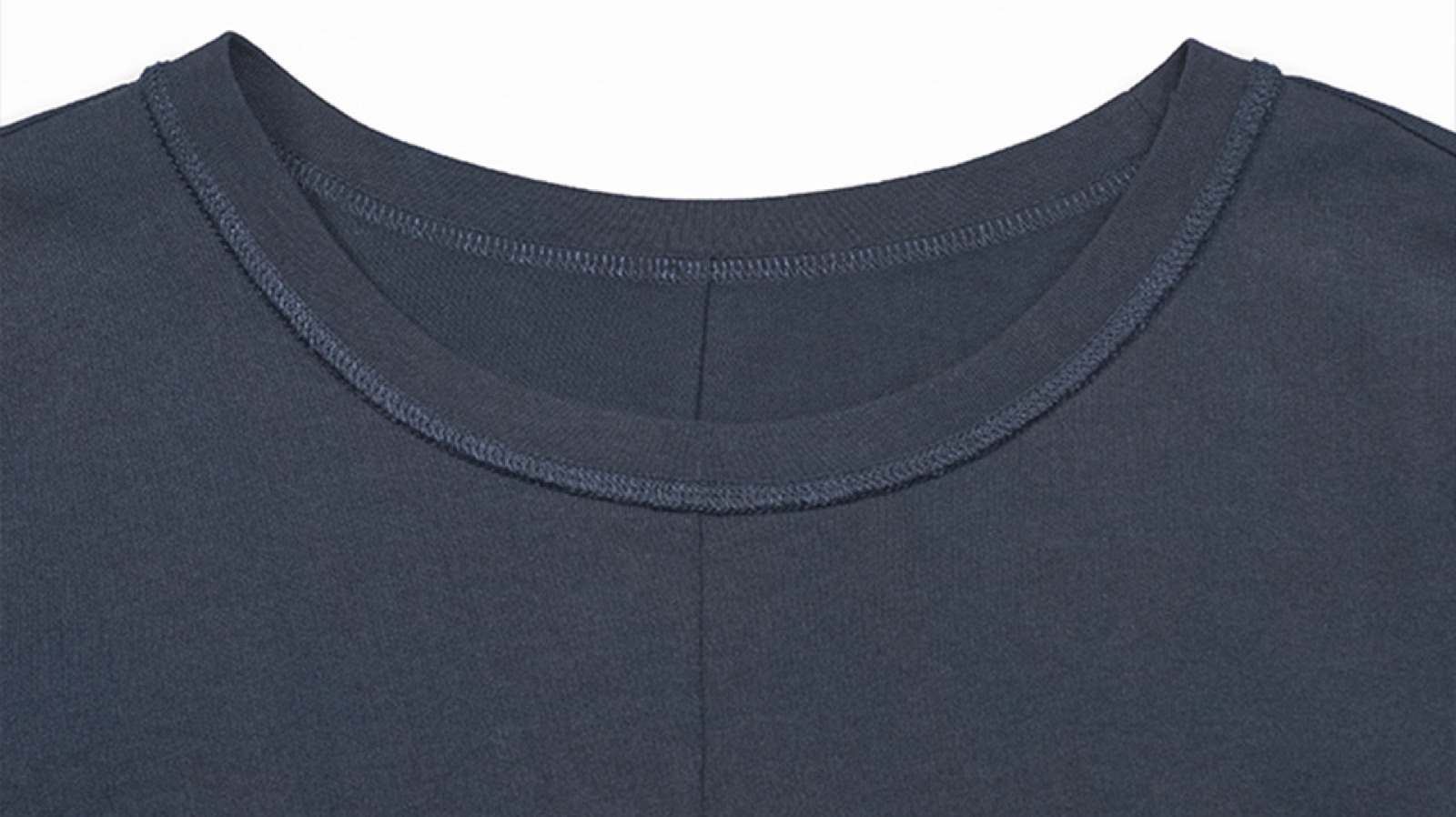
The same overlap as the pique seam but folded and stitched twice, giving a fully enclosed, very strong seam for heavy wovens.
 05
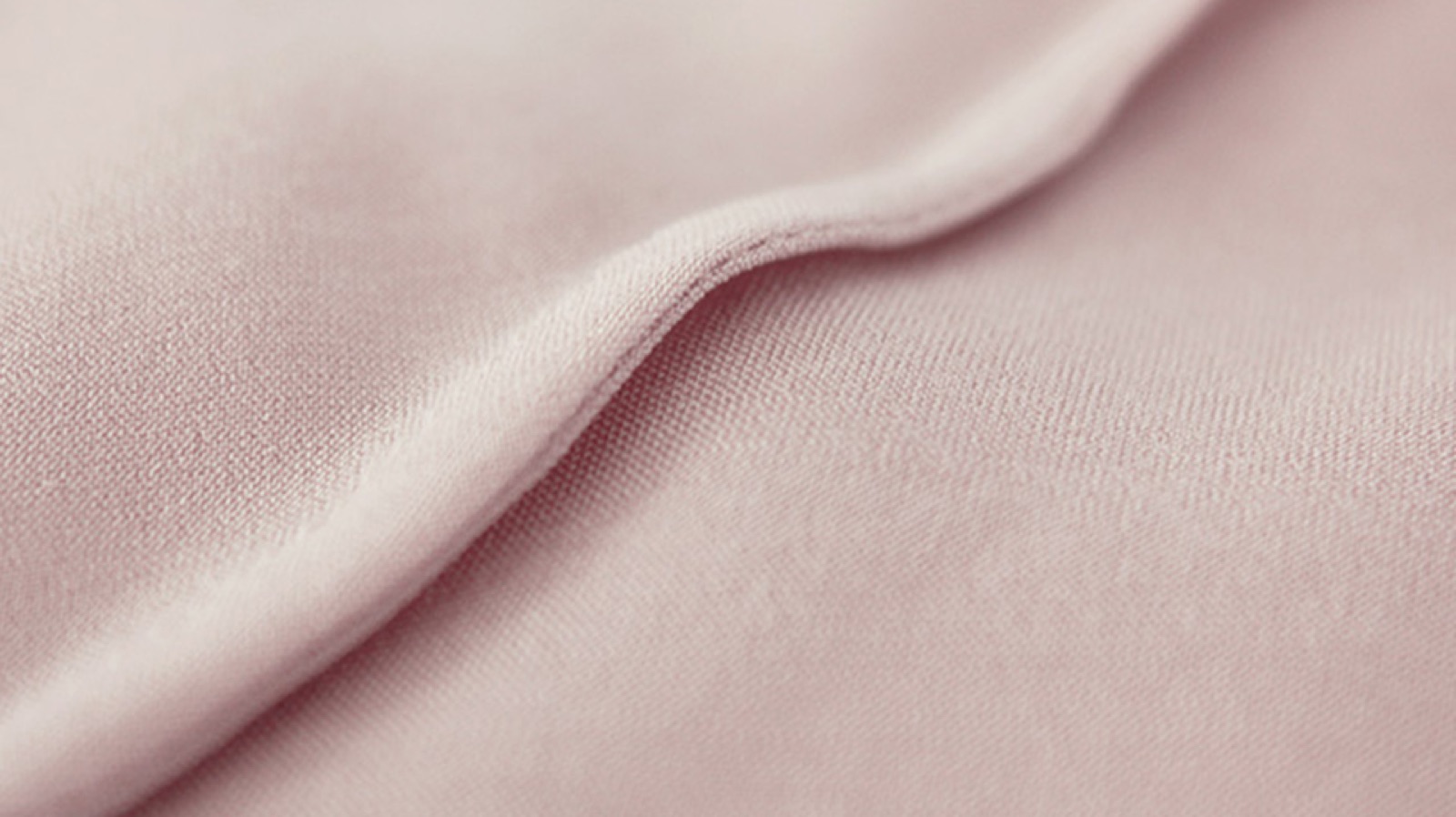
Stitch 0.5 cm, trim to 0.3 cm, turn the parts face to face and stitch again — every raw edge disappears, which sheer and satin panels require.
 06
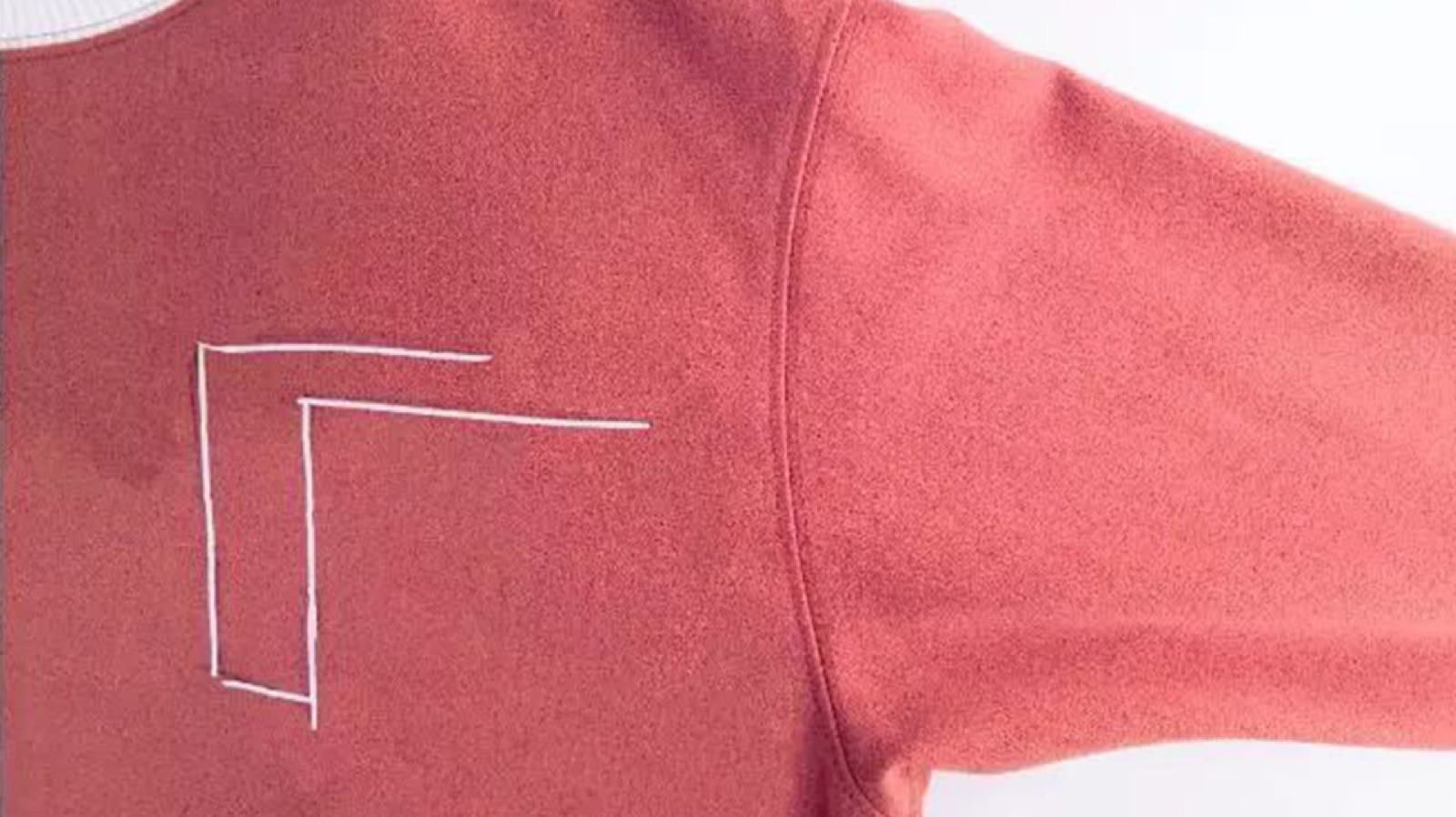
The allowance is folded and stitched to control fullness at cuffs and yokes, keeping gathers even without elastic.
 07
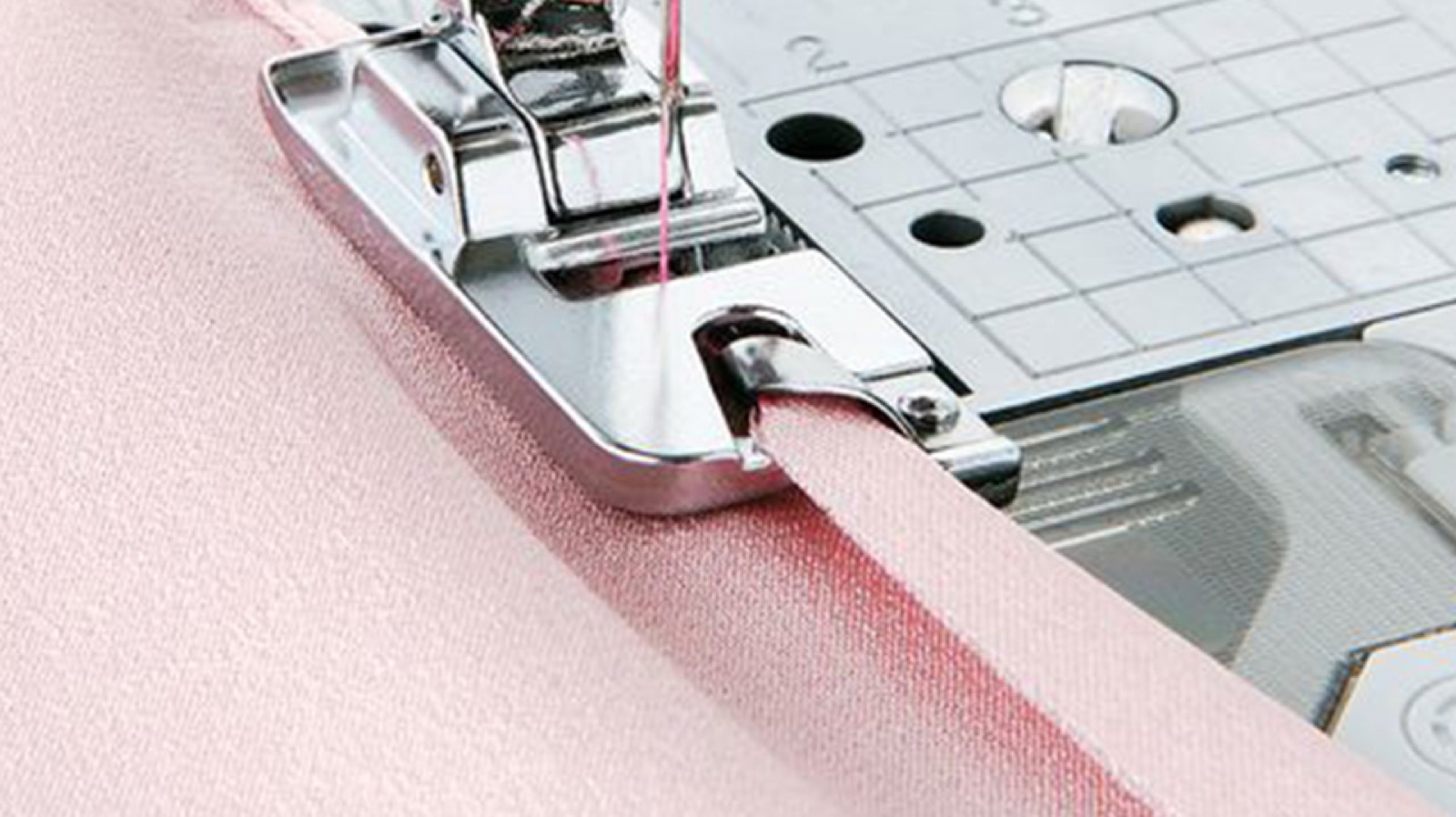
A turned and stitched hem with the allowance matched to the drape of the fabric — narrow on silk, deeper on flannel.
A photo of the inside of a sample tells us more than a description. We will match the construction and quote it per piece.